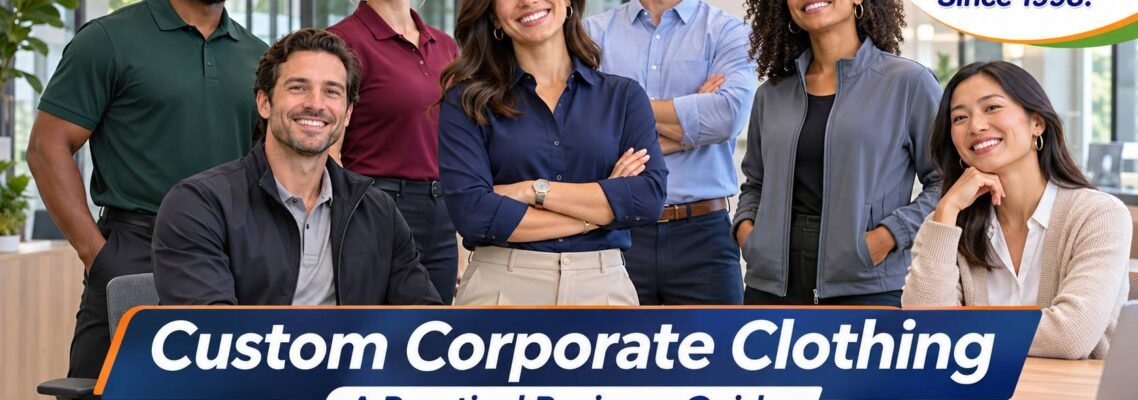
Custom Corporate Clothing: A Practical Business Guide
What employees wear can influence how customers recognize a business, how teams present themselves, and how consistently a company communicates its identity. From embroidered polos to branded jackets, custom corporate clothing gives organizations a practical way to connect everyday workwear with their brand.
Choosing business apparel involves more than selecting a shirt and adding a logo. Fabric performance, employee comfort, decoration methods, sizing, and ordering requirements all affect the finished product. A thoughtful approach helps businesses create clothing employees can wear comfortably while maintaining a consistent professional appearance.
What Is Custom Corporate Clothing?
Custom corporate clothing is apparel customized with a company’s logo, name, colors, or other approved branding elements. Common examples include embroidered polo shirts, printed T-shirts, branded jackets, button-down shirts, sweatshirts, and workplace uniforms.
Businesses use corporate apparel to identify employees, support consistent brand presentation, outfit teams for events, and provide clothing appropriate for specific work environments.
Unlike traditional promotional merchandise, corporate clothing often serves a functional purpose throughout the workday. The garment must meet practical requirements while displaying the company’s branding clearly and consistently.
Why Businesses Invest in Branded Corporate Apparel
Professional Brand Presentation
Consistent apparel can help employees present a coordinated appearance, particularly in customer-facing environments. A recognizable logo and appropriate garment style can make team members easier to identify.
For organizations operating multiple locations, standardized apparel guidelines can also help maintain a consistent visual identity across departments and facilities.
Employee Identification and Team Coordination
Branded workwear can help customers, visitors, and colleagues recognize employees. This is especially useful at conferences, hospitality properties, retail locations, and large corporate events.
Corporate clothing may also support a sense of team identity when employees are given practical, comfortable garments suited to their roles.
Brand Visibility Beyond the Workplace
Employees may wear branded jackets, polos, or other apparel during commuting, business travel, community activities, and industry events. These situations create additional opportunities for brand recognition.
However, visibility depends on actual garment use, logo placement, and design. Businesses should prioritize clothing employees genuinely want to wear rather than treating every garment primarily as an advertisement.
Popular Types of Custom Corporate Clothing
The most suitable apparel depends on the working environment, employee responsibilities, climate, and desired brand presentation.
Embroidered Polo Shirts
Corporate polo shirts provide a balance between casual comfort and professional appearance. They are commonly considered for office teams, hospitality employees, sales representatives, and trade show staff.
Embroidery is often selected for polo shirts because it creates a textured, stitched logo that suits many professional garment styles. The logo must be sized appropriately to preserve legibility.
Custom Button-Down Shirts
Button-down shirts offer a more formal presentation for customer meetings, business development teams, management staff, and corporate events.
Small embroidered logos on the chest are a common decoration choice. Fabric care requirements, fit, and wrinkle resistance should be considered before selecting a specific garment.
Branded T-Shirts
Custom T-shirts are versatile options for employee activities, promotional campaigns, volunteer programs, conferences, and casual workplaces.
Screen printing, digital printing, and other decoration methods may be appropriate depending on the artwork, garment material, color count, and quantity.
Corporate Jackets and Outerwear
Branded fleece jackets, softshell jackets, and lightweight outerwear can be useful for employees working in cooler environments or traveling between locations.
Buyers should consider insulation, weather resistance, mobility, and logo placement. A jacket intended for outdoor fieldwork may require different performance characteristics from one intended for occasional office wear.
Custom Hoodies and Sweatshirts
Hoodies and sweatshirts are often suitable for employee appreciation programs, internal events, casual offices, and onboarding merchandise.
Comfort, fabric weight, washability, and decoration compatibility are especially relevant because these garments may be worn repeatedly outside formal business settings.
How to Choose the Right Custom Corporate Clothing
Choosing custom corporate clothing begins with understanding how the apparel will actually be used. The following process can help purchasing teams make informed decisions.
- Define the purpose. Determine whether the clothing is intended for daily uniforms, trade shows, employee recognition, promotional events, or customer-facing teams.
- Understand the work environment. Consider temperature, physical activity, indoor or outdoor use, and any workplace clothing requirements.
- Select appropriate garment styles. Compare polos, T-shirts, jackets, and other apparel based on comfort, appearance, and functionality.
- Choose materials carefully. Evaluate breathability, durability, fabric weight, stretch, moisture management, and care requirements.
- Prepare branding artwork. Confirm logo colors, placement, dimensions, and the artwork format required for the selected decoration method.
- Review sizing and fit. Check manufacturer size charts and consider samples when ordering clothing for a large or diverse team.
- Confirm production and delivery details. Review quantities, decoration costs, proof approval, shipping destinations, and the required delivery date before proceeding.
Understanding Corporate Apparel Decoration Methods
The decoration technique affects how a logo looks, feels, and performs on a garment. Not every method is appropriate for every material or design.
Embroidery
Embroidery uses thread to reproduce a design directly on the garment. It is commonly used for polo shirts, jackets, caps, and button-down shirts.
Embroidery works particularly well for logos with clear shapes and limited fine detail. Extremely small text, intricate gradients, and complex illustrations may require artwork adjustments.
Screen Printing
Screen printing applies ink to fabric through prepared screens. It is commonly used for T-shirts, sweatshirts, and event apparel.
It can be practical for repeated designs and larger quantities, although setup requirements, artwork complexity, and the number of printed colors can influence overall costs.
Direct-to-Garment and Transfer Printing
Direct-to-garment printing can reproduce detailed, multicolor artwork on compatible fabrics. Transfer-based methods provide additional options for applying graphics to garments.
Results depend on the printing technology, garment composition, artwork preparation, and application process. Buyers should confirm compatibility and care instructions with their supplier.
Dye Sublimation
Dye sublimation uses heat to transfer dye into compatible polyester-based materials. It can be useful for vibrant patterns, detailed graphics, and designs covering substantial areas of a garment.
Unlike conventional printing methods, sublimation has specific material limitations. It is generally suited to suitable polyester fabrics rather than ordinary cotton garments.
Fabric Selection: Comfort, Performance, and Durability
Fabric composition can influence how corporate apparel looks and performs during regular use. Understanding the differences helps prevent purchasing decisions based only on appearance.
- Cotton: Often selected for its softness and familiar feel. Shrinkage, wrinkles, and moisture retention depend on the garment’s construction and treatment.
- Polyester: Common in performance apparel because it can provide wrinkle resistance, shape retention, and moisture-management properties.
- Cotton-polyester blends: Combine characteristics of both fibers, although actual comfort and durability vary by fabric construction.
- Stretch fabrics: Materials containing elastane or similar fibers can provide additional flexibility for employees who move frequently.
- Fleece: Often used in sweatshirts and jackets intended to provide warmth and everyday comfort.
For daily uniforms, fabric consistency matters as much as individual features. Reordering a garment in a different fabric or cut may change the appearance of the entire team, even when the logo remains identical.
Personalized Business Apparel for Different Industries
Different industries need different types of clothing. Selecting personalized business apparel that reflects actual workplace conditions can improve usability while supporting a consistent brand identity.
Hospitality and Guest Services
Hotels, restaurants, and hospitality organizations often need comfortable clothing that maintains a professional appearance during long shifts. Polo shirts, button-down shirts, and role-specific jackets may be suitable depending on departmental requirements.
Consider a hypothetical hotel group outfitting front desk and guest services employees across several properties. Maintaining approved logo sizes, garment colors, and consistent fits would help the organization coordinate apparel across locations while allowing role-appropriate choices.
Corporate Offices and Professional Services
Companies may select embroidered polos, quarter-zip pullovers, or lightweight jackets for employee events, client meetings, and business travel.
The objective is usually to provide wearable clothing that complements existing dress expectations without making employees feel that every occasion requires a formal uniform.
Construction and Field Services
Field employees may require durable materials, freedom of movement, and garments suitable for changing weather conditions.
Corporate branding must not interfere with required protective clothing. When high-visibility apparel or other safety equipment is necessary, applicable workplace safety requirements take priority over decorative preferences.
Trade Shows and Marketing Events
Matching team apparel can help visitors identify company representatives at crowded exhibitions and networking events.
For example, a hypothetical technology company preparing for a three-day conference could select embroidered polos for booth employees and comfortable branded T-shirts for supporting event staff. Keeping the same logo treatment across both garment types would create a coordinated presentation.
What Affects the Cost of Custom Corporate Clothing?
The total cost of branded apparel depends on the garment, decoration technique, quantity, customization requirements, and fulfillment arrangements.
Major cost considerations include:
- Garment selection: Fabric quality, brand, construction, and performance features affect the base garment price.
- Decoration: Embroidery stitch counts, print colors, design dimensions, and application methods may influence charges.
- Quantity: Some production methods provide lower per-unit costs at higher quantities because setup expenses are distributed across more garments.
- Multiple decoration locations: Adding artwork to sleeves, backs, or additional chest positions can increase production requirements.
- Artwork preparation: Converting or adjusting an existing logo may involve additional work.
- Shipping and distribution: Sending apparel to multiple employees or locations may involve different costs from a single bulk shipment.
Businesses comparing suppliers should request a complete quotation rather than relying only on the advertised garment price. Confirm whether decoration, setup, shipping, and applicable charges are included.
How Minimum Quantities and Turnaround Times Work
Minimum order quantities vary by garment, supplier, and decoration process. Some products may be available in small quantities, while others require larger production runs.
Embroidery, screen printing, and digital decoration each have different setup and production considerations. Buyers should confirm the minimum quantity for the exact garment and customization method they intend to use.
Turnaround time also depends on several factors, including:
- Garment inventory and size availability
- Artwork readiness and approval
- Decoration complexity
- Required production quantity
- Shipping destinations and delivery arrangements
One frequently overlooked detail is the difference between an estimated production period and the final delivery date. Production may not begin until artwork, garment specifications, and other required approvals are complete.
Businesses working toward a fixed event date should communicate that deadline before selecting products.
Managing Corporate Apparel Across Multiple Locations
Organizations with several offices or properties face additional challenges when employees need consistent apparel.
Different departments may select inconsistent garments, use outdated logos, or place orders with different suppliers. Over time, these variations can make the brand appear less coordinated.
A centralized corporate apparel program can help establish consistent purchasing guidelines.
Useful program elements include:
- Approved clothing styles and colors
- Standard logo files and decoration specifications
- Documented size and fit options
- Clear purchasing responsibilities
- Defined reorder procedures
- Location-specific shipping instructions
A company merchandise store may also simplify product selection by making approved apparel options available through one purchasing channel. Store features, ordering permissions, and fulfillment arrangements should be confirmed with the provider.
Common Corporate Clothing Ordering Mistakes
Choosing Apparel Based Only on Price
A low initial garment price may not represent good value if the clothing fits poorly, requires excessive maintenance, or is unsuitable for regular use.
Evaluate expected wear, comfort, construction quality, and replacement frequency alongside the initial cost.
Using Artwork That Is Too Detailed
A logo that looks excellent on a computer screen may not reproduce clearly as small embroidery. Fine lines, gradients, and tiny lettering can create production challenges.
Ask for a digital proof and, where justified, a physical sample to evaluate the actual decoration.
Ignoring Employee Size Requirements
Ordering every garment based on a single size chart can cause fit problems because sizing varies among manufacturers and styles.
Collect employee size preferences in advance and consider samples for important or recurring apparel programs.
Leaving Production Decisions Until the Last Minute
Approving artwork late, changing quantities, or requesting unavailable sizes can affect the production schedule.
Allow time for supplier communication, proof review, potential corrections, production, and shipping.
Failing to Plan for Reorders
A business may discover that its original shirt is unavailable when a new employee joins several months later.
For ongoing apparel programs, ask about product continuity, alternative garment options, and procedures for maintaining consistent decoration specifications.
How to Evaluate a Corporate Clothing Supplier
A suitable supplier should help buyers understand available garments, customization limitations, and fulfillment requirements before an order is finalized.
When comparing corporate apparel suppliers, consider the following questions:
- Can the supplier recommend garment styles based on employee roles and working conditions?
- Which decoration methods are available for the selected products?
- Can the supplier provide artwork guidance and proofs before production?
- Are minimum quantities, setup charges, and additional decoration costs clearly explained?
- What happens if a required color or size becomes unavailable?
- Can the supplier support shipments to several locations?
- How are repeat orders and approved branding specifications managed?
Clear answers to these questions make supplier comparisons more meaningful and help reduce unexpected changes during production.
How Digitized Logos Supports Corporate Apparel Programs
Digitized Logos provides branded apparel and promotional product solutions for business customers. Its product selection includes corporate apparel options such as polo shirts, jackets, pullovers, and other customizable merchandise.
Businesses exploring custom corporate clothing can use the Digitized Logos product catalog to review available styles and consider options for their employees, events, or merchandise programs.
Digitized Logos can assist businesses in evaluating product choices and discussing branding, customization, and fulfillment requirements. Product-specific pricing, inventory, decoration options, and production schedules should be confirmed before ordering.
Frequently Asked Questions About Custom Corporate Clothing
What is the best clothing for a corporate uniform?
The best corporate uniform depends on employee responsibilities, working conditions, and company dress expectations. Polo shirts are versatile for many customer-facing roles, while button-down shirts offer a more formal appearance. Jackets and performance garments may be appropriate for outdoor work or environments requiring additional comfort and functionality.
Is embroidery or printing better for company logos?
Neither method is universally better. Embroidery is often appropriate for professional polos, jackets, and smaller logos with clear details. Printing may be better for large graphics, complex artwork, or designs requiring multiple colors. The ideal choice depends on the material, design, quantity, and intended use.
Can businesses order corporate clothing in small quantities?
Small-quantity ordering may be possible, depending on the garment and decoration process. Some customization methods have setup requirements or minimum quantities that affect smaller purchases. Buyers should confirm available options with the supplier rather than assuming that every product can be ordered individually.
How long does custom corporate clothing take to produce?
Production timelines vary depending on garment availability, customization complexity, quantity, and artwork approval. Shipping adds another consideration. Businesses should share their required delivery date with the supplier and confirm the complete schedule before placing an order, especially when apparel is intended for a specific event.
How can companies maintain consistent branding across different apparel styles?
Companies can establish approved logo files, brand colors, garment selections, and decoration guidelines. Maintaining records of placement dimensions and approved proofs helps reduce variation. For recurring orders, centralized purchasing procedures can make it easier to keep branding consistent across departments and locations.
Key Takeaways for Corporate Apparel Buyers
- Choose apparel based on employee needs, garment performance, and brand presentation rather than appearance alone.
- Select decoration methods that suit the fabric, artwork, and expected use of the clothing.
- Review sizing, artwork proofs, and complete pricing before approving production.
- Plan for future reorders and consistent branding when managing apparel across multiple locations.
- Work with a supplier that communicates clearly about product availability, customization requirements, and fulfillment.
Build a Corporate Apparel Program That Works for Your Business
Effective corporate clothing combines professional branding with everyday practicality. The right garments should suit employees’ work, represent the organization appropriately, and remain manageable to purchase and reorder.
Digitized Logos helps businesses explore branded apparel and promotional merchandise options suited to different corporate needs. From employee clothing to coordinated event apparel, thoughtful product selection and customization can support a more consistent brand presentation.
Explore corporate apparel and customization options at products.digitizedlogos.com, call 301-963-3553, or email info@DigitizedLogos.com to discuss your requirements with Digitized Logos.